


How to protect timber decking
The Importance of Keeping Timber Joists Off the Ground in Decking Structures
When constructing decking structures in domestic gardens, one critical factor often overlooked is ensuring that timber joists are not in direct ground contact. Timber, even when treated, is vulnerable to various forms of decay when exposed to moisture and soil. One significant threat is mycelia fungus, which thrives in damp environments and can rapidly deteriorate wood. This guide explores the importance of keeping timber off the ground and risks associated with ground contact. It also highlights alternative solutions for supporting decking structures. Read on to discover more about how to protect timber decking
The Dangers of Mycelia Fungus in timber decking
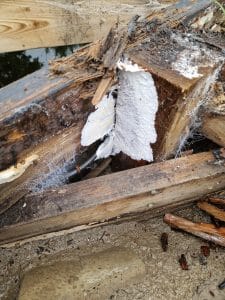
Mycelia fungus is a filamentous network of fungal cells that spreads through wood, consuming its lignin, cellulose and weakening its structure. In decking, mycelia fungus can take hold when timber joists or beams are in direct contact with the ground. This is especially where moisture levels are consistently high. This fungus not only deteriorates the timber but also creates an ideal environment for other wood-decaying organisms.
When mycelia fungus infests timber, it can lead to structural instability, making the decking unsafe for use. You can prevent this by elevating joists above ground level which ensures proper air circulation. This also reduces moisture retention in the timber and the likelihood of fungal growth.
Moisture Retention and Timber Decay
Timber in ground contact is constantly exposed to moisture from the soil, leading to swelling, cracking, and eventual decay. Even pressure-treated timber, while more resistant than untreated wood, is not immune to prolonged exposure to damp conditions. Moisture accelerates the growth of mycelia fungus and other wood-decaying organisms such as bacteria and insects.
By keeping timber joists off the ground, you minimize the risk of moisture absorption and extend the lifespan of your decking structure. Proper drainage and ventilation are essential to maintaining dry conditions around the timber.
Issues with Timber Posts in Ground Contact
Using timber posts directly in the ground, even when UC4 treated, may pose long-term risks. UC4 treatment offers enhanced protection against decay and insect attack. But over time, moisture can penetrate the timber, creating conditions for mycelia fungus to thrive. Other issues include:
Insect Infestation: Termites and wood-boring insects are attracted to damp wood.
Soil Acidity: Certain soils can accelerate the degradation of timber treatments.
These issues highlight the need for alternative support systems that are more durable and resistant to environmental factors.
“You MUST keep your joists and beams off the ground”
Alternative Post Supports
To avoid the pitfalls of timber in ground contact, consider using alternative post supports:
- HDPE called PlasPro (High-Density Polyethylene): Resistant to rot, insects, and moisture.
- Steel Posts: Highly durable, load-bearing, and resistant to decay. These alternatives may even be Ground Screws.
- Concrete posts: Provide a stable base without direct wood-to-ground contact.
- These materials ensure longevity and reduce maintenance needs for decking structures.
“Use alternative posts supports or a steel shoe to keep our posts off the ground”
Post support shoe
An alternative idea to prevent your timber posts from rotting is to use a steel bases that is set into concrete. This way the concrete provides the necessary support for the timber and the steel base prevents the timber touching the ground. This company has plenty of ideas that work well, take a look at Simpson Strong-Tie and their arrangement of Post Bases here
Best Practices for Decking Construction
To build a durable and safe decking structure:
- Use elevated joists with proper ventilation.
- Opt for non-timber post supports where possible.
- Ensure adequate drainage around the deck area.
- Regularly inspect and maintain the structure.
Conclusion
Ensuring that timber joists are not in direct ground contact is crucial for the longevity and safety of decking structures. Mycelia fungus, moisture, and insects pose significant threats to timber, even when treated. By using alternative post supports such as HDPE, steel, or concrete, you can build a resilient and long-lasting deck. These enhanced products can withstand these environmental challenges for years to come.
For more information about leaning about how to protect your timber decking please contact us advice@deckingnetwork.com
For more information about wood preservatives and anti-fungal treatment find your way to OWATROL here